 95bFM
95bFM Modi’s visit to New Zealand may just be another power play
3 June, 2026
Interview by Caeden Tipler, adapted by Gabriel Timpson-Neill
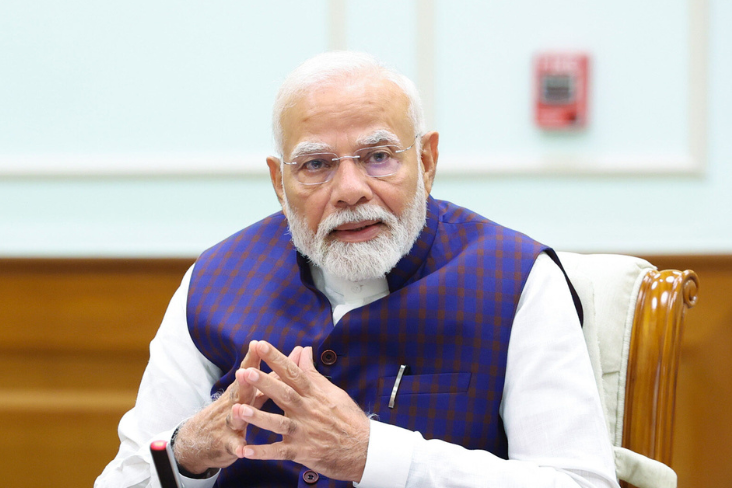
Indian Prime Minister Narendra Modi is set to visit New Zealand as part of an upcoming free trade deal. However, activist Sapna Samant says that Modi’s visit will not so much be about improving the economy, but will instead focus on increasing his own popularity among extremist Hindu nationalists in the diaspora.
The New Zealand and Indian governments have recently signed a free trade deal that the Foreign Ministry argues will offer New Zealand sellers enhanced access to the Indian market. Up to 95% of all exported goods going into India from New Zealand will be tariff-free or have significant tariff preferences, levelling the playing field between larger foreign competitors and New Zealand businesses. Also included in the deal are future-proofed commitments to providing certain sectors, like wine, higher priority over all other free trade partners.
The Prime Minister of India, Narendra Modi is expected to make a visit to New Zealand following the signing of the treaty to further relations between our two countries. He is a controversial figure in Indian politics due to his divisive attitude towards minority religions and authoritarian-leaning domestic policies. GP, storyteller, and activist, Sapna Samant, spoke to 95bFM’s The Wire about Modi’s supporters in the Indian diaspora and the potential outcomes of the trip to New Zealand.
Samant says that, as Indians have been in New Zealand since the 1700s and helped build the country, the country has always had a strong Indian community and a relationship with Indians back in the “home” country.
However, he says that relationship is different to the one we see in this trade deal, where the governments of Modi and Luxon are primarily brought together by neoliberal aims. Samant says that while the idea of building up the economy together is a nice pretense, free trade is not an easy path to making everyone rich, and only benefits a certain set of people that the agreement is designed to favour.
Samant says that Modi’s visit to New Zealand, while not being without precedent, is unique. Not many Indian prime ministers take the time to visit - usually only ministers in specific cabinets who have to deal with trade or economic matters. Modi, however, likes to travel overseas, as it gives him an opportunity to connect with the Indian diaspora, who tend to support him despite worsening economic conditions in India since the beginning of the Iran War.
Samant says that Modi is continuing to travel despite economic restrictions back home. To distract from the cooking gas shortages affecting the whole country and government requests for Indian citizens not to travel or buy gold, Modi continues to fly all over the world.
Samant is also critical of a Luxon-government supported planned rally for Modi in Auckland, which he says is a typical modus operandi for the Prime Minister. He says that Modi likes to hold these rallies as gatherings for Hindu nationalists, who dominate Modi’s government in India and whose ideology has led to the targeted demolition and conversion into Hindu temples of mosques across the country. Modi himself has been especially revered by Hindu nationalists due to his involvement in state-supported violence against Muslim Gujaratis during riots in 2002, while he was Chief Minister of Gujarat. The attacks have been categorized as attempted ethnic cleansing or even genocide.
Samant compares Modi’s rally to a state-sponsored Brian Tamaki Destiny Church gathering, except that Modi is patronaged by the state. Modi will be appearing with the security and support that an international head of state would usually receive during an international visit, all while meeting with various Hindu extremists, fascists, and Islamaphobes under the guise of Indian unity.
Samant says that, while politicians like Modi call for a sense of pride in India’s growing position in the global community, the Indian community in New Zealand should be more vigilant against advancing Hindu nationalism and the politicians that support it.